
As China’s metro costs rise, Shanghai considers first fare increase since 2005
As China’s metro costs rise, Shanghai considers first fare increase since 2005
Surging operational costs and strained municipal budgets are forcing mainland transit authorities to review long-suppressed fares
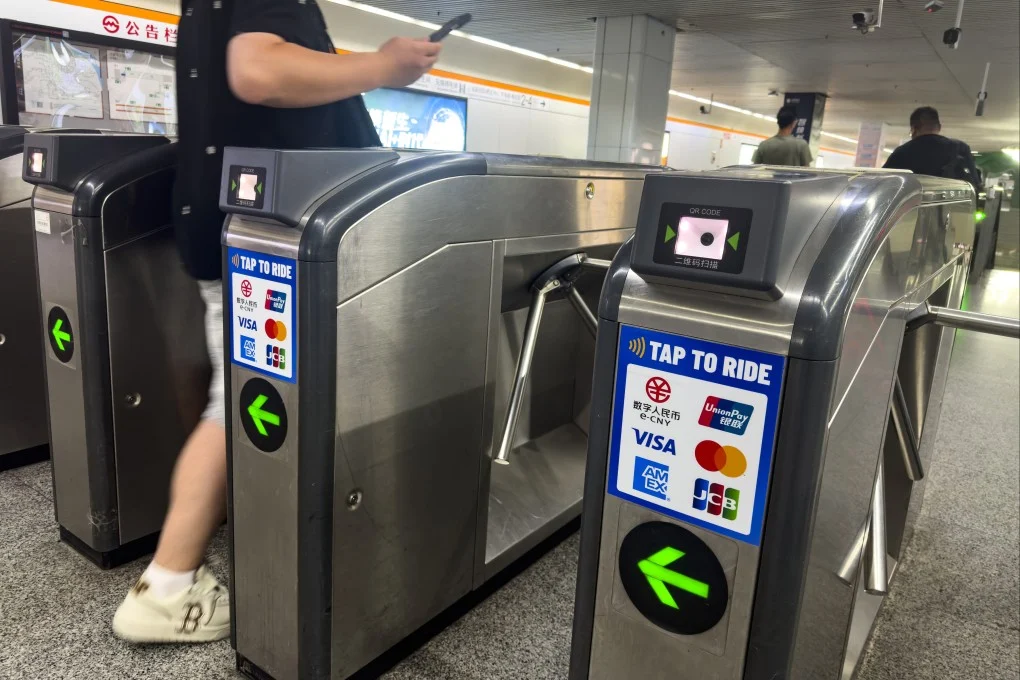
Facing a sprawling railway network and mounting fiscal pressures, Shanghai’s economic planner is considering a fare increase for its subway system after 21 years, making it the latest mainland city to target price adjustments amid widespread operational losses in urban railway transit.
The city’s development and reform commission said on Wednesday that it would hold a public hearing on September 7 to review adjustments to its subway fare system, though no official proposal has been released detailing how much individual trips might increase.
Shanghai’s current fare structure – 3 yuan (44 US cents) for journeys up to 6km (3.7 miles), with an additional 1 yuan for every 10km beyond that – has been in place since 2005, making it one of the longest-running unchanged pricing regimes among major Chinese cities.
Shentong Metro, the listed subsidiary of Shanghai Shentong Metro Group, reported a total profit of just 9.3 million yuan for the first quarter this year, a year-on-year decline of 41.8 per cent, even as revenue rose 6.3 per cent to 135.67 million yuan. However, the subsidiary operates only limited assets such as the Pujiang Line, and parent-group financial data is not publicly available.
Treated as a public service with artificially low fares, urban railway transit is often unable to cover its staggering construction and maintenance costs through ticket sales alone. This leaves municipal governments to step in with multiple forms of financial support to keep systems running.