

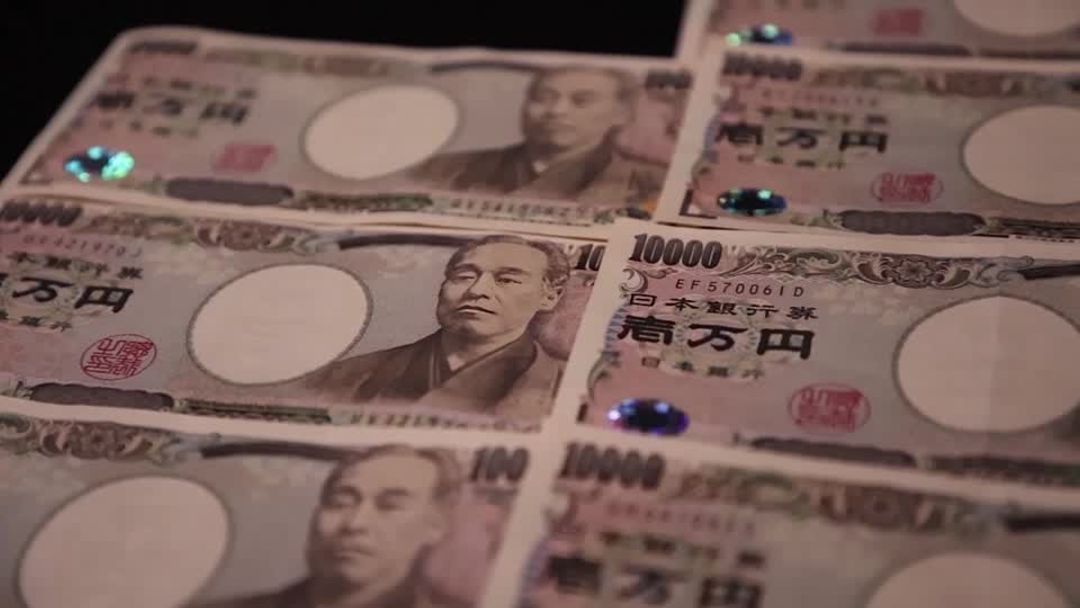
SINGAPORE, Aug 3 (Reuters) - A rare joint U.S.-Japan intervention has raised the stakes on traders betting against the yen, but analysts are doubtful speculators will be kept at bay without tighter monetary policy.
The ultimate test will be whether the Bank of Japan (BOJ) follows through with faster interest-rate increases, as the wide yield gap with the United States remains the main driver of yen weakness.
Japan spent $70 billion in late April and early May to prop up the yen, but the rebound was brief as was the case in 2024 and 2022, when the country intervened in the currency market alone.
But by joining forces to intervene for the first time in 15 years, the authorities in Tokyo and Washington are wagering that a united front will do more to deter speculators than solo intervention has in the past.
The yen rose 1% in early Asian trade on Monday to a high of 155.20 per dollar, its strongest in about three months, moving away from the 40-year low of 163.99 it hit in July.
The two-year Japanese government bond yield , the one most sensitive to BOJ policy, hit 1.54%, its highest since May 1995, on Monday.
STRONG SIGNAL FOR YEN BEARS
Analysts said the coordinated intervention triggered a squeeze in short positions - the largest in nearly two years - and increased the risk of follow-up action, including faster rate hikes from the central bank.
"A surprise hike by the Bank of Japan would go a long way to reset expectations around the central bank's determination to tighten monetary policy," said Fred Neumann, chief Asia economist at HSBC.
"Joint intervention by the U.S. and Japan is a powerful signal to markets ... however, without complementary monetary policy adjustments, the impact on the yen from joint intervention is likely to be short-lived."
The wild swings in oil prices due to the Iran war and a wide interest rate difference between Japan and major economies have left the yen vulnerable, with speculators amassing net short position on the yen worth about $12.5 billion, data showed.
Japan and the U.S. confirmed on Monday they conducted coordinated yen-buying intervention last week, a move that underscores the growing unease over the yen's declines.
"History is quite clear, coordinated intervention packs a punch, and it tends to be successful," said Elias Haddad, global head of markets strategy at BBH in London "It does take time for the trend to ultimately move in the right direction of the intervention."
The key difference this time is U.S. Treasury Secretary Scott Bessent has been explicit about concerns regarding yen weakness, lending greater credibility to the prospect of sustainable yen strength, said Carol Lye, portfolio manager at BGIM, a unit of Franklin Templeton.
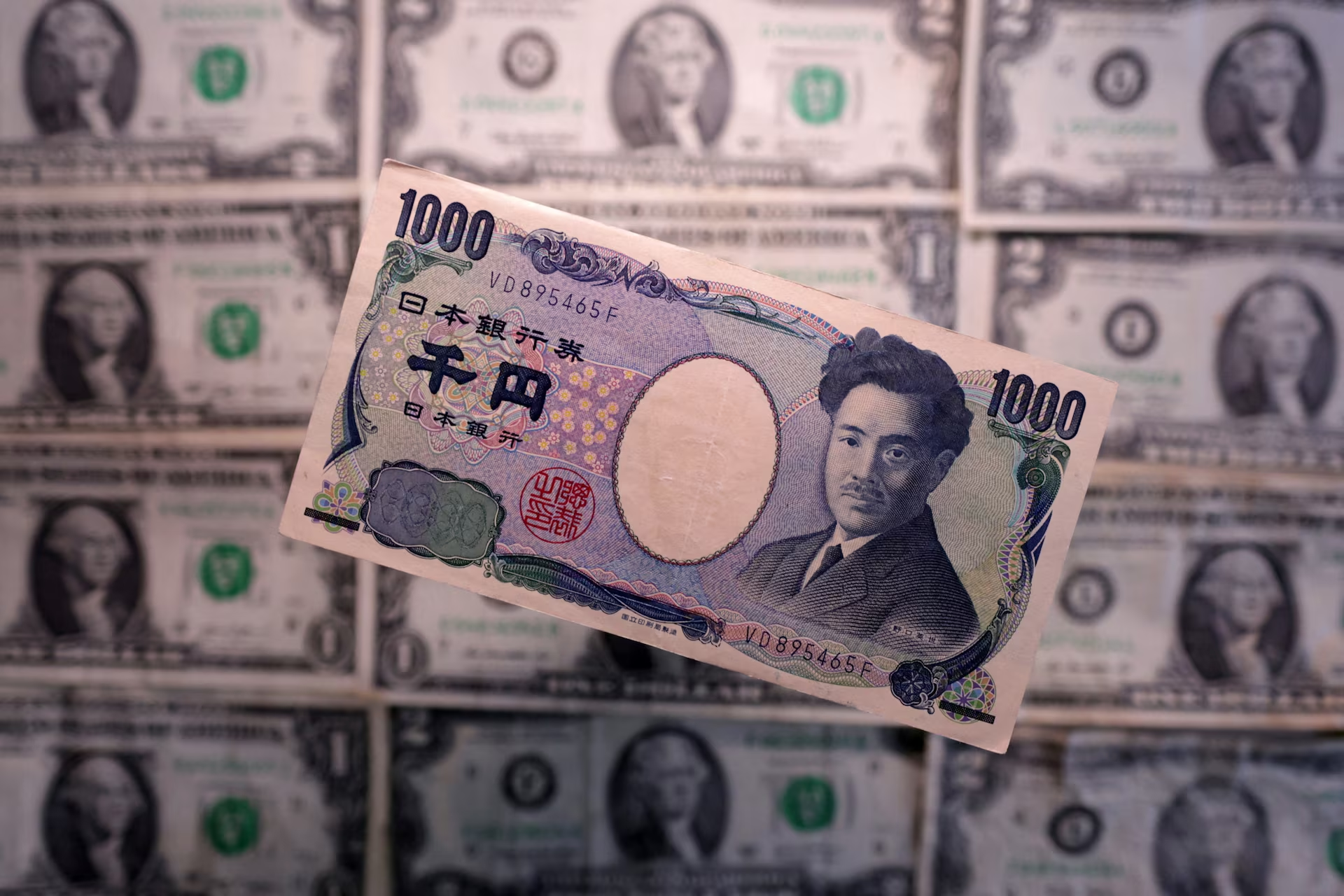
Yen and U.S. dollar banknotes are seen in this illustration taken March 19, 2025. REUTERS/Dado Ruvic/Illustration
Bessent also said the United States would consider increasing in coming months the size of the Federal Reserve's repurchase facility providing temporary dollar liquidity, calling the tool an "important backstop".
"The expansion of the Federal Reserve's FIMA repo facility provides Japan with significantly greater intervention capacity, potentially supporting up to 30 additional rounds of intervention at approximately 5 trillion yen per round," Lye said.
Nomura said Japan may have ammo to spend as much as 30 trillion yen, targeting levels of at least 154 yen to trigger momentum traders. "If this works, could accelerate the move to 150," they said in a note to clients and reviewed by Reuters.
BOJ FOLLOW-THROUGH NEEDED FOR YEN
Some analysts remain sceptical of the long-term durability of an intervention-led surge in the yen unless there is follow-up from policymakers, with some of the currency's weakness often attributed to the BOJ's cautious approach to raising rates.
On Friday, the Japanese central bank warned for the first time that underlying inflation could exceed its target and said future policy discussions would focus on upside price risks, signalling the chance of a rate hike as soon as September.
The BOJ's decision came after Japan conducted yen-buying, dollar-selling market intervention in New York markets on Thursday.
"Unless we see much faster BOJ rate hikes, and the government taking a clearer stand on the JPY as well as dialling back its ambition for fiscal expansion, we still lack confidence in projecting a downtrend for dollar/yen," HSBC currency strategists Joey Chew and Paul Mackel said in a note.
For bears, coordinated intervention has not fundamentally altered the yen's outlook but only delayed another test of its lows.
Chandresh Jain, EM Asia rates and FX strategist at BNP Paribas, said the yen's bounce provided an opening to initiate a long dollar/yen position through options, betting the yen will weaken in the near term.
"Basically, we are saying that we should be long dollar/yen, but thinking that it will cap at 163.5," he said.
"Previously, it was about the velocity of the dollar move. This time it feels like more of a number rather than the velocity," Jain said of the latest bouts of intervention.
"We have seen multiple times intervention around 160, and then now at 164-ish - so seems like these numbers are getting uncomfortable for them, rather than just the pace which used to be the case historically."
Reporting by Ankur Banerjee and Rae Wee in Singapore; Editing by Jacqueline Wong
Our Standards: